Container Storage vs Self Storage in East Anglia
Container storage and self storage are not interchangeable. Self storage gives you a unit in a shared facility you visit yourself. Container storage means a company collects your goods, stores them in a warehouse or yard container, and redelivers when you are ready. For most householders and businesses across Essex and Suffolk, the right choice depends on three things: how often you need access, how much you are moving, and whether you own a van.
What is self storage?
Self storage facilities rent you a lockable unit, typically in a large multi-storey or single-storey warehouse, and you drive to it whenever you need something. You load your own goods, you manage your own locks, and you make as many trips as the job demands. Units are usually priced by size in square feet, with contracts running week-to-week or month-to-month.
Self storage is a strong fit when:
- You need regular, unscheduled access, a retailer pulling stock daily, for example.
- You are storing a small volume of items that fit in a car or small van.
- You want to retrieve a single box without involving another company.
- Your finances are tight and you are willing to do the physical work yourself.
The trade-off is that every trip requires your own vehicle and your own labour. If the nearest facility is 25 minutes from your property in Ipswich or Colchester, that round-trip cost and effort adds up quickly over a multi-month storage period.
What is container storage?
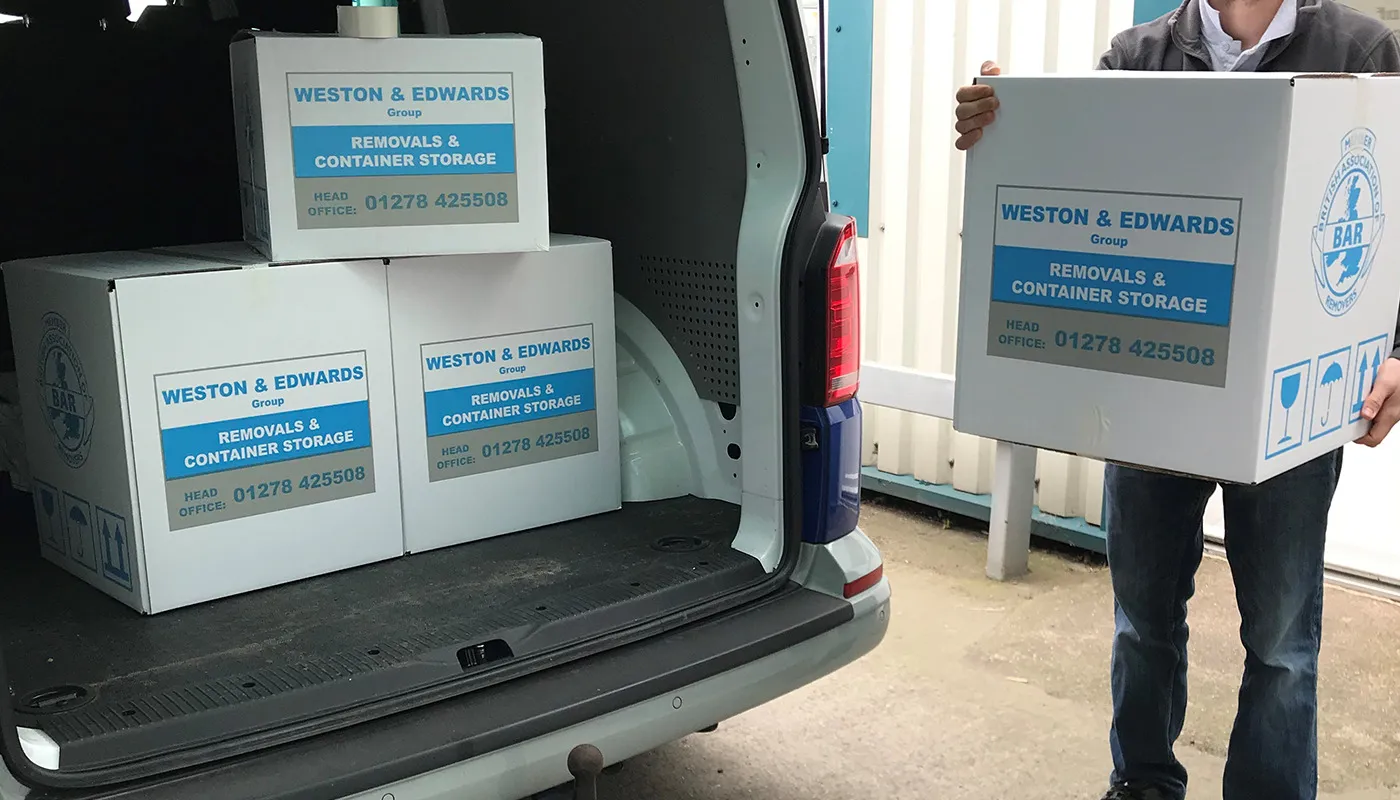
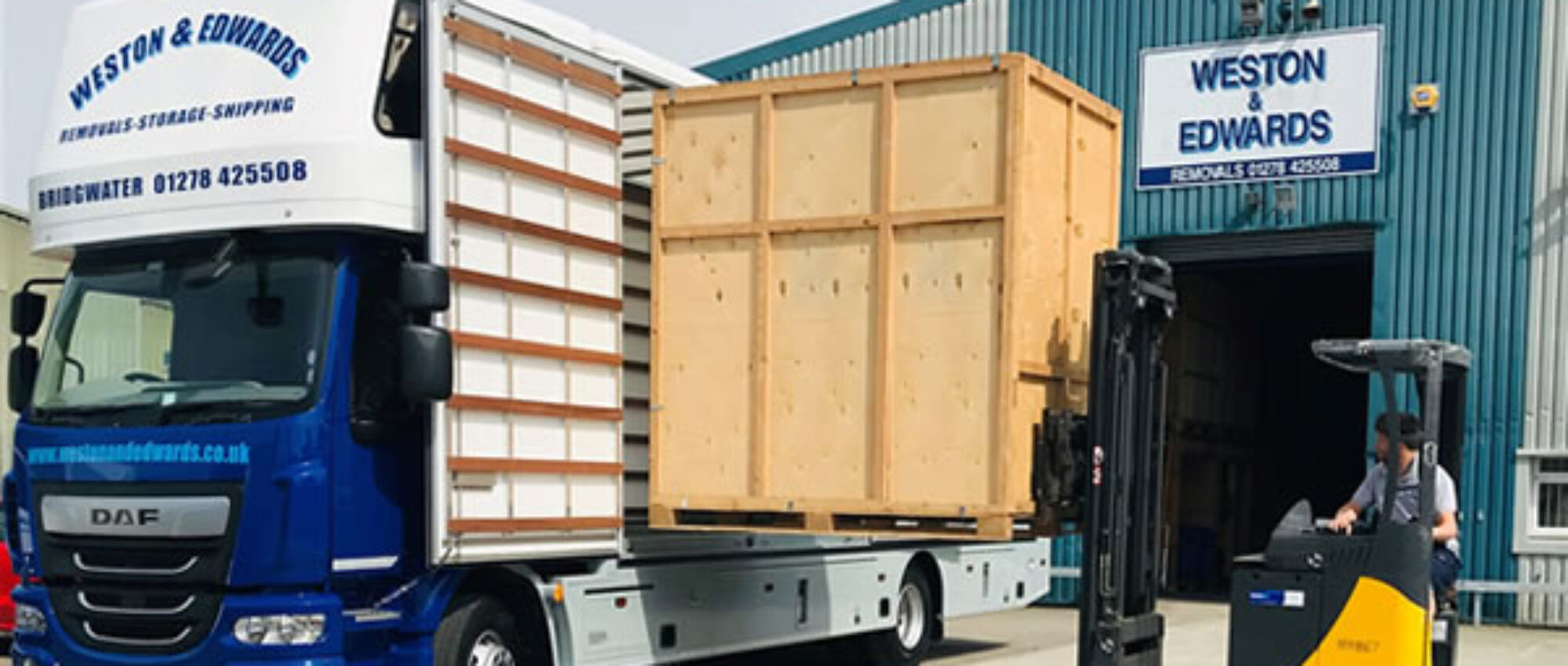
Container storage (also called collected storage or portable storage) works differently. A removals company delivers a container to your door, your goods are packed into it, and the container is transported to a secure warehouse. When you want your belongings back, the company redelivers the container or specific items to your new address.
For a house move with a gap between vacating and completion, this approach removes the need for a separate van hire. The crew that moves you out can load directly into storage; the same firm redelivers on the other side.
Weston & Edwards East Anglia stores goods at South Heath Warehouse, Great Bentley, Colchester, CO7 8RD, a secured facility serving customers across Essex and Suffolk. Short and long-term options are available for both domestic and commercial customers.
Container storage vs self storage: side-by-side comparison
The table below covers the practical differences that matter most for a typical Essex or Suffolk householder or small business.
| Factor | Self Storage | Container Storage |
|---|---|---|
| Who loads the goods? | You | Removals crew |
| Transport to facility | You provide | Included |
| Access during storage | Anytime (during facility hours) | By arrangement |
| Suitable for full house contents | Possible but labour-intensive | Yes, one crew, one trip |
| Suitable for occasional retrieval | Yes | Less practical |
| Insurance | Typically extra | Goods-in-transit included as standard |
| Best for | Regular-access needs, small volumes | Gap storage during a move, business relocation |
When container storage wins
Container storage makes most sense when the volume is large and the access need is low. Three situations stand out across the East Anglia area:
Gap storage on a house move. Completion dates fall through or chains extend. A family in Chelmsford vacating their property before their new home is ready needs their furniture somewhere. Container storage means no second van hire: the moving crew loads at the old address and redelivers to the new one when keys exchange.
Office or commercial relocation. Moving a Colchester office to a new building in phases? Container storage holds furniture and equipment between fit-out stages. Weston & Edwards East Anglia handles commercial storage with phased planning built into the process, so the business is never fully out of action.
Long-distance or international moves. If a customer is relocating abroad from Ipswich or Felixstowe, container storage bridges the period between leaving the UK property and the overseas move completing. The goods stay in the Essex warehouse until the destination address is confirmed, then ship.
When self storage wins
Self storage is genuinely the better answer in some situations. A tradesperson in Harwich who needs to pull specific tools from a unit twice a week will not want to call ahead to a storage company each time. A retail business in Clacton holding seasonal stock that needs daily access is another case where a self-access unit makes more operational sense.
If the volume is small (a few boxes and a bike, not a three-bedroom house), the cost of a collected service may not be justified when a small self-storage unit at a local facility covers the requirement.
Decision checklist
Run through these questions before committing to a storage type:
| Question | If yes, lean toward… |
|---|---|
| Do you need access more than once a month? | Self storage |
| Are you storing a full household or full office? | Container storage |
| Do you own a van or have easy hired transport? | Self storage is viable |
| Is your move crew already booked? | Container storage (one less contractor) |
| Are you relocating internationally? | Container storage |
| Is the volume under 50 boxes? | Either, but self storage may cost less |
| Do you need goods-in-transit insurance included? | Container storage |
| Is access by appointment acceptable? | Container storage |
Common mistakes when choosing storage
- Booking self storage without accounting for the van hire and labour costs of getting goods there. The unit rental is not the full cost.
- Assuming container storage means no access at all. Most collected storage operators will retrieve a specific item by arrangement, though it takes planning.
- Choosing the wrong unit size in a self-storage facility and paying for empty space or, worse, taking multiple units because the first was too small.
- Not checking what insurance is included. Self-storage policies vary widely; goods-in-transit cover on a collected service is often included as standard (as it is with Weston & Edwards East Anglia) rather than an optional add-on.
- Leaving the decision until the last week before moving. Storage slots, particularly for collected warehouse storage, are easier to plan when the booking is made alongside the removals survey.
FAQs
What is the difference between container storage and self storage?
Container storage means a company collects your goods and holds them in a secure warehouse; you book redelivery when ready. Self storage means you access a facility yourself, loading and collecting at any time during opening hours. The main practical difference is who does the physical work and who provides the transport.
Is container storage more expensive than self storage?
Not necessarily when you count the full cost. Self storage unit rental looks lower, but the price excludes your van hire, fuel, and labour on every trip. Container storage includes collection and redelivery, and goods-in-transit insurance is included as standard with Weston & Edwards East Anglia, which can offset or match the cost of insuring goods separately in a self-storage unit.
Can I access my goods during container storage with Weston & Edwards?
Access is by arrangement rather than drop-in. For customers who need regular access to specific items during the storage period, self storage may be more practical. For gap storage between a house sale and purchase, access during the period is rarely needed, making container storage the logical choice.
How long can I store my belongings with Weston & Edwards East Anglia?
Both short and long-term storage options are available at South Heath Warehouse, Great Bentley, Colchester, CO7 8RD. Whether you need a few weeks between exchange and completion or several months while an overseas move completes, the team can advise on the right arrangement. Get a free no-obligation survey to discuss your storage timeline.
Ready to sort your storage in Essex or Suffolk?
If you are weighing container storage against self storage for a house move, office relocation, or longer-term need in East Anglia, Weston & Edwards East Anglia can advise on the right option for your situation. BAR members with £100,000 goods-in-transit insurance included as standard and a no-waiting-fees policy, we cover storage alongside full house and commercial removals across Essex and Suffolk.
Get a free storage survey or call the team to talk through your requirements.